

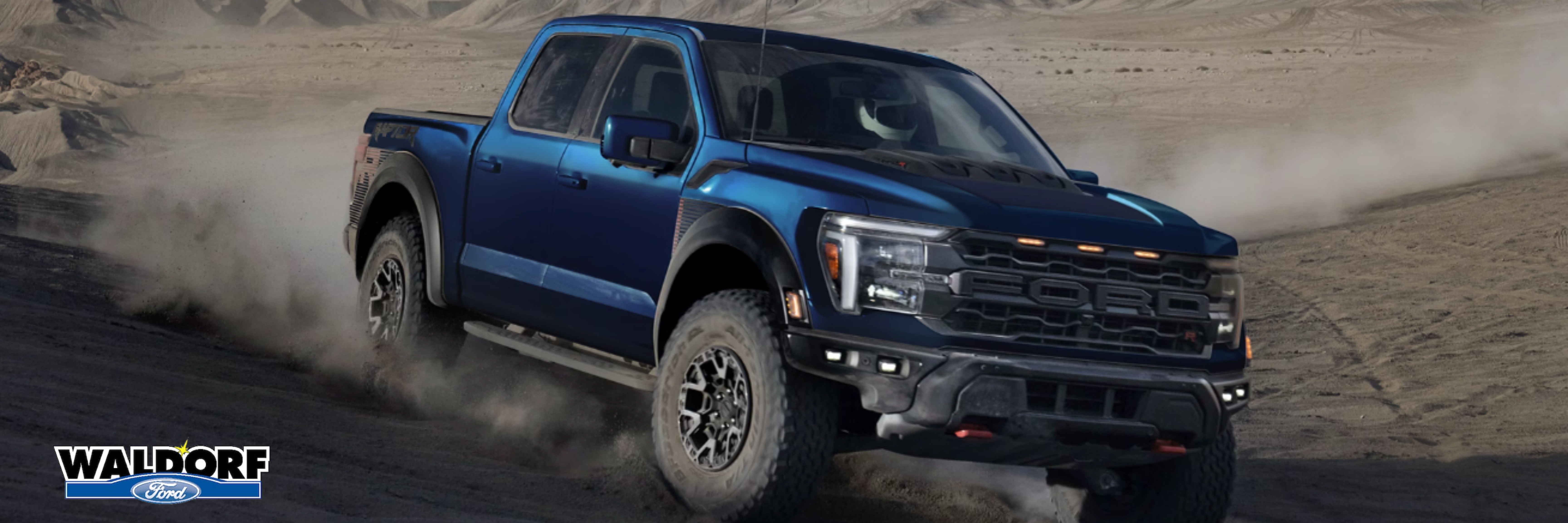
For decades, the Ford F-150 has been America’s best-selling truck for one simple reason: it’s built to last. At Waldorf Ford, we’ve seen firsthand how these iconic trucks continue to perform year after year, becoming trusted companions for work, family adventures, and everything in between. But just how long can you expect your F-150 to last? Let’s dive into the impressive longevity of America’s favorite pickup.
The F-150 Lifespan: By the Numbers
When properly maintained, a Ford F-150 can easily surpass 200,000 miles, with many owners reporting their trucks still running strong well beyond 300,000 miles. These aren’t just outliers—they represent the potential of every F-150 that leaves our lot.
| Milestone | What to Expect |
| 100,000 miles | Just broken in; with routine maintenance, your F-150 should show minimal signs of wear |
| 200,000 miles | Still reliable for daily driving with proper care; may need occasional larger repairs |
| 300,000+ miles | Achievable with meticulous maintenance; some major components may need replacement |
What Makes the F-150 So Durable?
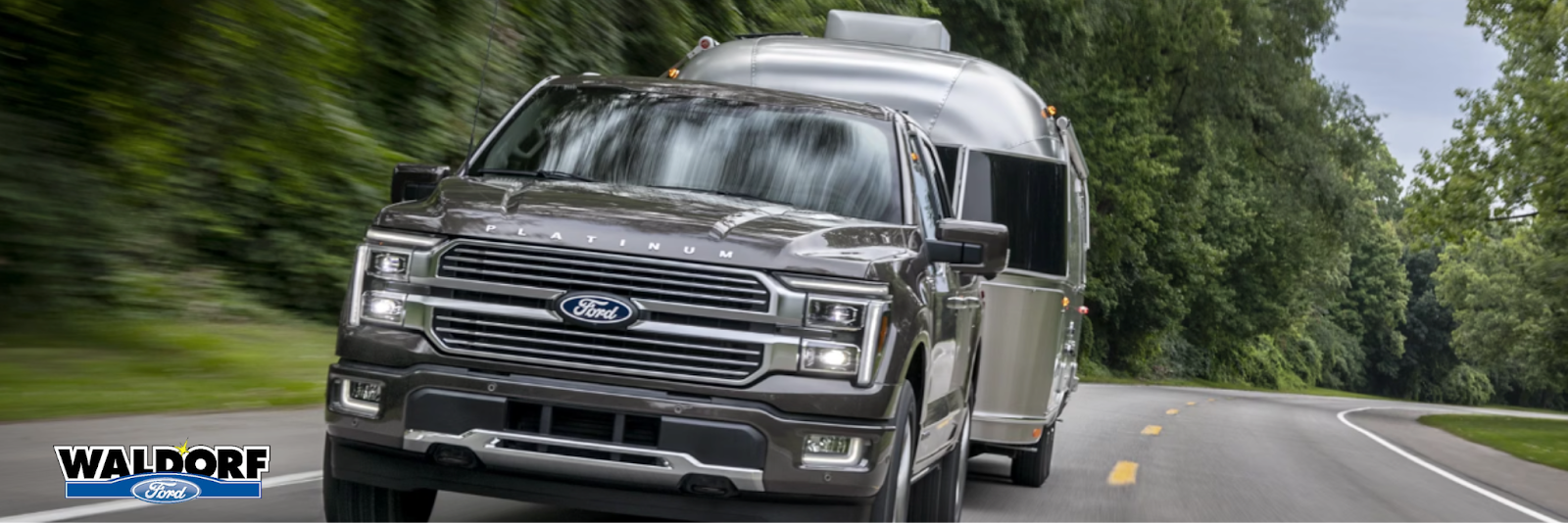
The exceptional longevity of the Ford F-150 isn’t accidental—it’s engineered into every component. Here’s what gives these trucks their legendary staying power:
High-Strength, Military-Grade Aluminum Alloy Body
Since 2015, Ford revolutionized truck construction by introducing an aluminum alloy body that:
- Resists corrosion better than traditional steel
- Reduces overall weight by up to 700 pounds
- Improves fuel efficiency without sacrificing strength
- Stands up to the harshest environmental conditions
Powerful and Reliable Engine Options
The heart of any vehicle is its engine, and the F-150 lineup offers several powertrains known for their durability:
- 3.5L EcoBoost V6: Combines impressive power with surprising efficiency; owners regularly report 250,000+ miles with proper maintenance
- 5.0L V8 Coyote: A naturally aspirated workhorse that delivers consistent performance well beyond 200,000 miles
- PowerBoost Hybrid: Ford’s newest innovation combining traditional durability with cutting-edge efficiency
- 3.3L V6: An economical option that doesn’t compromise on longevity
Factors That Affect Your F-150’s Lifespan

While the F-150 is built to last, several key factors determine exactly how many years and miles you’ll get from your truck:
Maintenance Is Everything
The single most important factor in extending your F-150’s life is following Ford’s recommended maintenance schedule. Trucks that receive regular service consistently outlast those that don’t.
Essential Maintenance for Maximum Longevity:
- Oil changes every 5,000-7,500 miles (synthetic oil offers better protection)
- Transmission fluid changes every 30,000-60,000 miles
- Regular inspection and replacement of belts and hoses
- Brake system maintenance
- Cooling system service
- Regular tire rotations and alignments
Driving Habits Make a Difference
How you drive your F-150 significantly impacts its lifespan:
- Gentle acceleration and braking reduce wear on drivetrain components
- Allowing proper warm-up in cold weather protects the engine
- Avoiding overloading prevents premature wear on suspension and frame
- Limited towing at maximum capacity helps preserve transmission life
Environment Matters
Where and how you use your F-150 affects how long it will last:
- Coastal regions: Salt air can accelerate corrosion
- Winter driving: Road salt exposure requires more frequent undercarriage washing
- Off-road use: Requires more diligent maintenance of suspension components
- Extreme temperatures: Both hot and cold climates place additional stress on various systems
Signs Your F-150 Still Has Plenty of Life Left
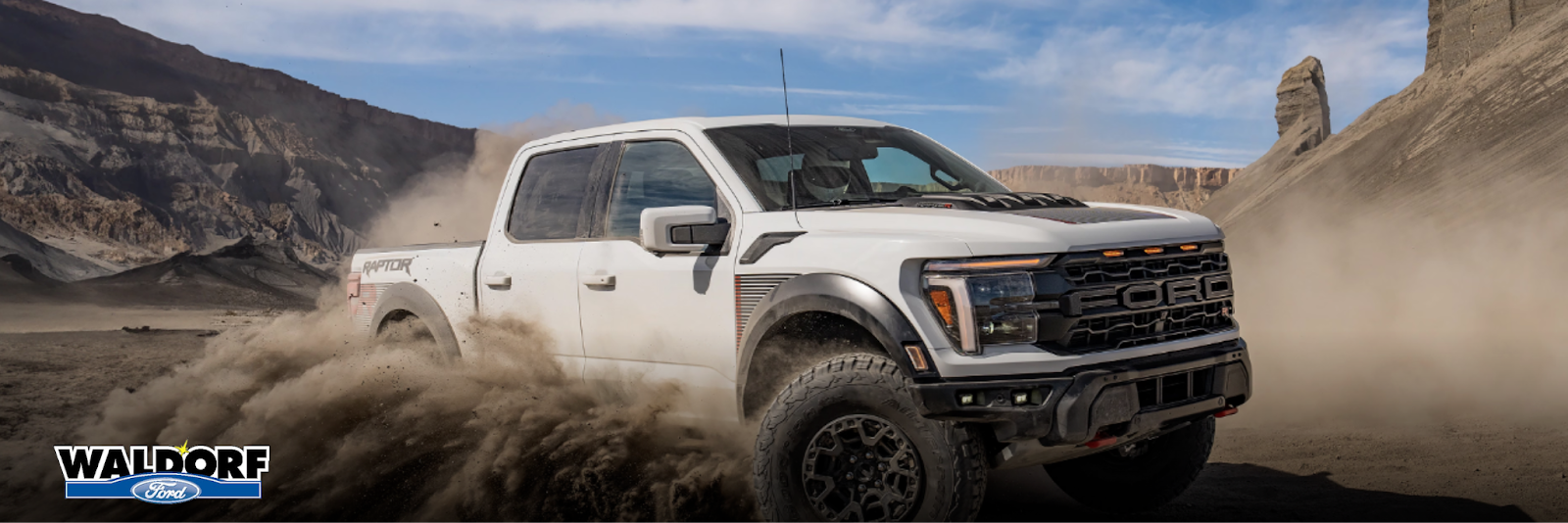
Even high-mileage F-150s can still have thousands of miles of service ahead. Look for these indicators of a healthy truck:
- Consistent performance: No significant power loss or unusual noises
- Minimal fluid leaks: Small seeps may be normal on higher-mileage vehicles
- Solid transmission shifts: No slipping, hard shifts, or hesitation
- Reasonable oil consumption: Using less than one quart between changes
- Minimal rust: Especially on frame and structural components
When Is It Time for a New F-150?
Even the most durable trucks eventually reach a point where replacement makes more sense than continued repairs. Consider these factors:
- Repair costs exceeding the truck’s value
- Significant structural or frame rust
- Multiple major systems failing simultaneously
- Desiring modern safety features and technology
Maximizing Your F-150’s Potential: Our Suggestions
Based on our years of experience servicing F-150s at Waldorf Ford, here are our top tips for maximizing your truck’s lifespan:
- Follow the maintenance schedule religiously – no exceptions
- Address small issues before they become major problems
- Use genuine Ford parts for all repairs
- Keep detailed service records
- Drive mindfully, especially during the first few minutes after starting
- Choose the right F-150 for your needs – don’t buy more truck than necessary
- Take advantage of our service department’s F-150 expertise
The Waldorf Ford Difference
At Waldorf Ford, we specialize in helping our customers get the absolute maximum life from their F-150 trucks. Our factory-trained technicians understand these vehicles inside and out, and our service department is equipped with the latest diagnostic tools and genuine Ford parts.
Whether you’re shopping for a new F-150, looking to maintain your current truck, or considering a certified pre-owned model, our team is ready to help you enjoy the legendary durability that makes the F-150 America’s favorite truck.Contact us, Visit us today or schedule a test drive. Your F-150 deserves the best care possible—and so do you.
Connect with us


- January 2026
- December 2025
- November 2025
- October 2025
- September 2025
- August 2025
- July 2025
- June 2025
- May 2025
- April 2025
- February 2025
- December 2024
- November 2024
- October 2024
- September 2024
- August 2024
- July 2024
- March 2024
- February 2024
- January 2024
- December 2023
- November 2023
- October 2023
- February 2023
- January 2023
- October 2022
- July 2022
- May 2022